

Dermaplaning Gallery
$$MultiPurposeText$$
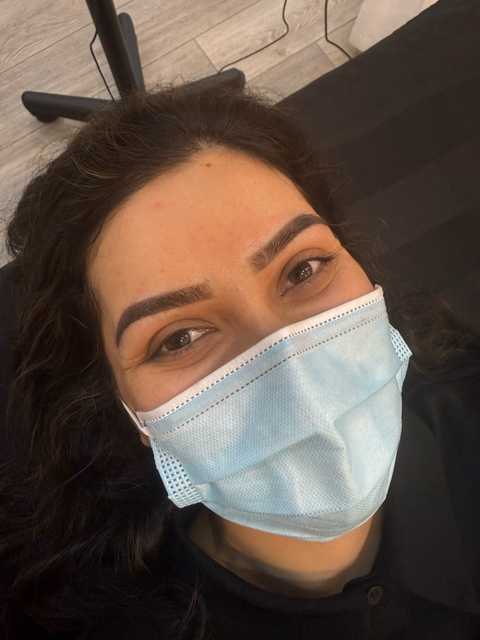
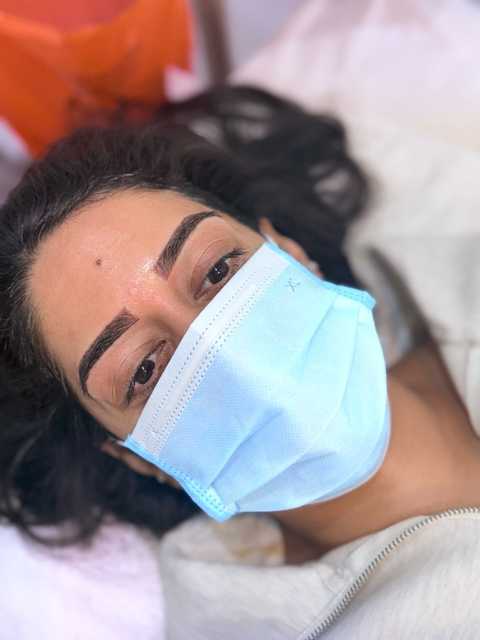
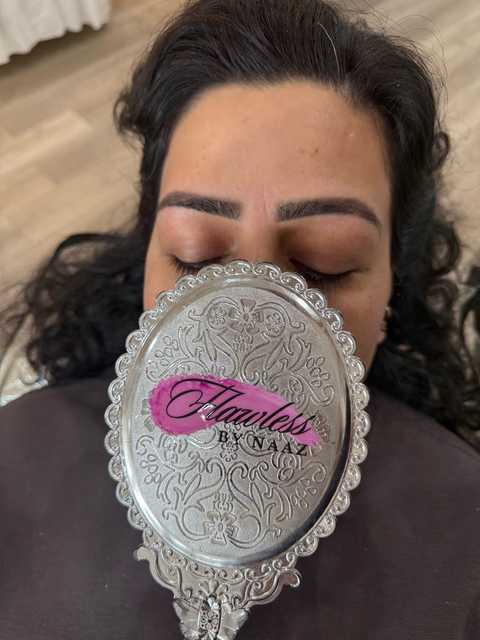
See examples of our Dermaplaning work and results.



What Our Clients Say
$$MultiPurposeText$$
Read testimonials from our satisfied customers

As always Naz provided exceptional services. Very clean environment and staff, loved my fa...more

This was my second time coming here, and I had another amazing experience! The artist is i...more

Nobody can do eyebrows like Naz! The absolute best. Not to mention her other great service...more

I love going to Flawless by Naaz. Breet does a wonderful job threading and tinting my eyeb...more

I had a great Hydro Facial and Eyebrow Wax done by Preet, I will definitely be coming back

Monowar is the best she always gets my eyebrows to look great

Frequently Asked Questions
Get answers to common questions about Dermaplaning.
Yes. Dermaplaning is generally safe for most skin types, including sensitive skin, when performed by a trained professional. It minimizes irritation and avoids microtears, but those with active acne, open wounds, or specific skin conditions should consult first.
A standard Dermaplaning session at Flawless By Naaz usually takes 30 to 45 minutes, including consultation and post-care. Duration can vary when combined with extra treatments like facials or chemical peels for enhanced results.
No. Dermaplaning removes vellus hair without affecting follicle structure or hair thickness. Regrowth remains soft and fine because the hair is cut at the surface, not altered at the root, preserving natural texture.
You’ll notice immediate smoothness, brighter skin, and better product absorption right after your session. Results typically last several weeks; maintenance every 4–6 weeks helps sustain radiance and address recurring concerns.
Dermaplaning improves the appearance of superficial acne scars and fine lines by promoting skin renewal and smoother texture. For deeper scars or wrinkles, combining with peels or microneedling yields more significant, lasting improvement.
Avoid direct sun exposure, heavy makeup, exfoliants, and retinoids for 48–72 hours. Use gentle cleansers, hydrating serums, and daily SPF. Follow personalized homecare from your technician to maintain results and support healing.