

Dermaplaning W/Mini-Facial Gallery
$$MultiPurposeText$$
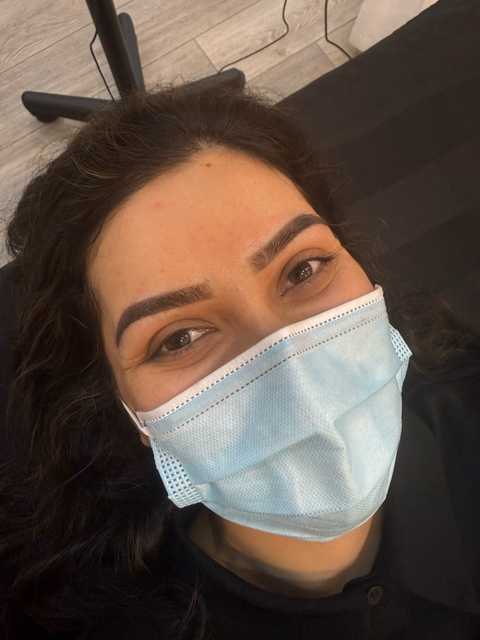
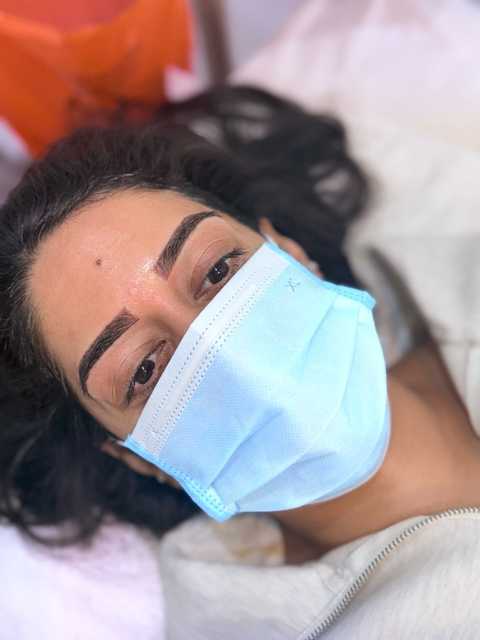
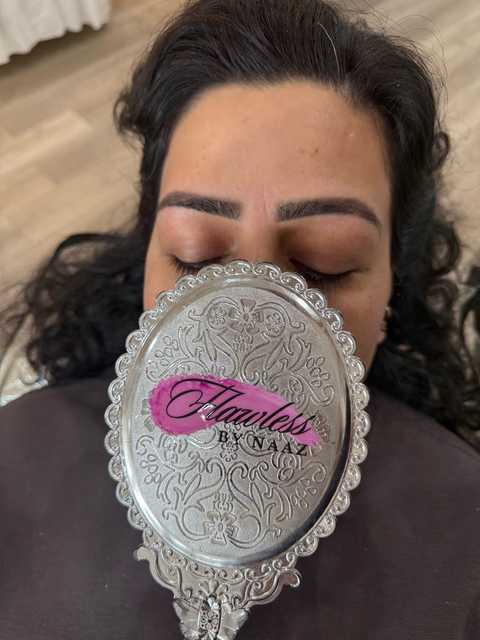
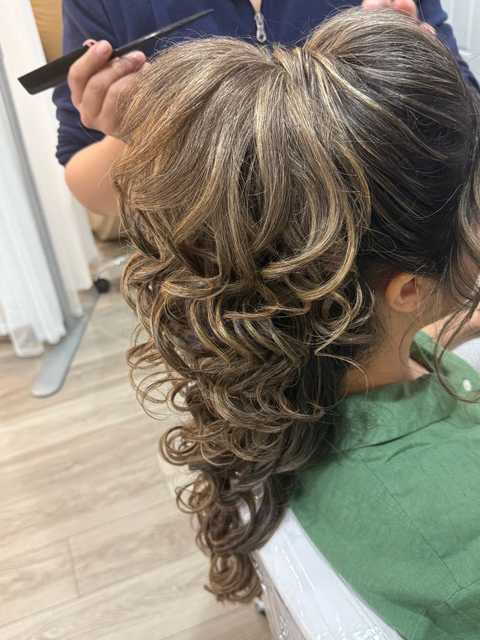
See examples of our Dermaplaning W/Mini-Facial work and results.



What Our Clients Say
$$MultiPurposeText$$
Read testimonials from our satisfied customers

As always Naz provided exceptional services. Very clean environment and staff, loved my fa...more

This was my second time coming here, and I had another amazing experience! The artist is i...more

Nobody can do eyebrows like Naz! The absolute best. Not to mention her other great service...more

I love going to Flawless by Naaz. Breet does a wonderful job threading and tinting my eyeb...more

I had a great Hydro Facial and Eyebrow Wax done by Preet, I will definitely be coming back

Monowar is the best she always gets my eyebrows to look great

Frequently Asked Questions
Get answers to common questions about Dermaplaning W/Mini-Facial.
Yes, when performed by our trained estheticians it's generally safe for sensitive skin. We perform a consultation, adjust pressure and products, and may recommend a patch test. Minor redness can occur but usually subsides within 24-48 hours.
Most clients notice immediate smoothness and radiance that lasts two to four weeks. Hair regrowth is fine and soft; we recommend treatments every 4-6 weeks and a tailored home-care routine to maintain results and improve long-term skin texture.
No - dermaplaning removes vellus hair without affecting follicle structure. Regrowth appears the same soft, fine hair. You may notice a silky feel immediately after, but hair does not grow back coarser or darker when performed correctly.
Dermaplaning improves surface texture and can soften shallow acne scarring by promoting cell turnover and better product penetration. It's best used alongside treatments like chemical peels or microneedling for deeper scars - we'll recommend a personalized plan during consultation.
Downtime is minimal. You may experience slight redness or sensitivity for 24-48 hours. Avoid direct sun, heavy exfoliants, and active retinoids for a few days. Our estheticians provide aftercare instructions and recommend SPF and gentle hydration to protect results.
Clients with active acne cysts, open wounds, recent chemical peels, or certain skin conditions like rosacea or eczema should consult first. Pregnant clients or those on isotretinoin must disclose medical history; we'll assess suitability and recommend alternative treatments if needed.