

Full Arms Waxing Gallery
$$MultiPurposeText$$
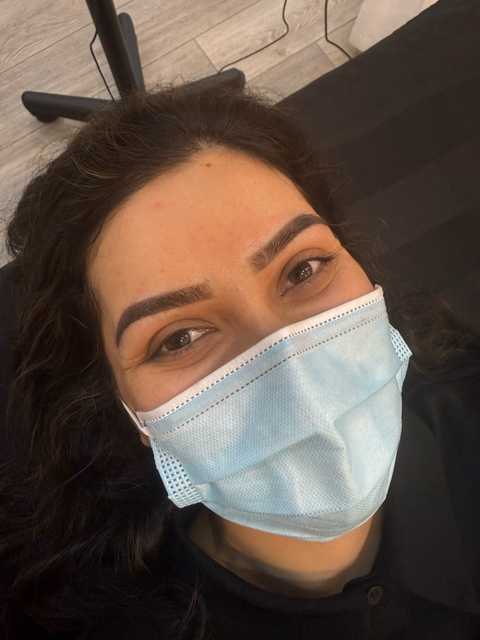
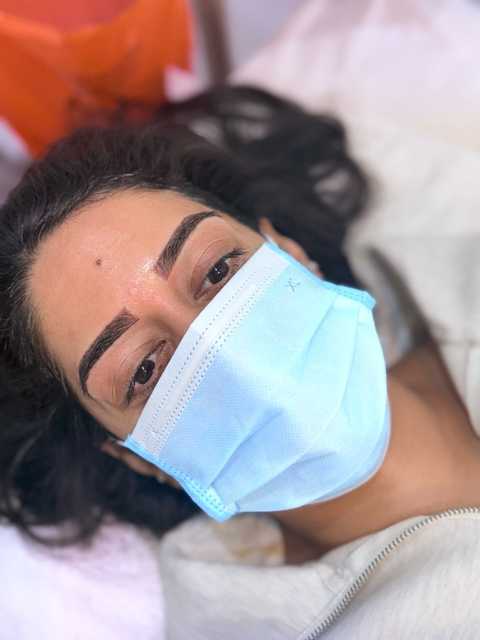
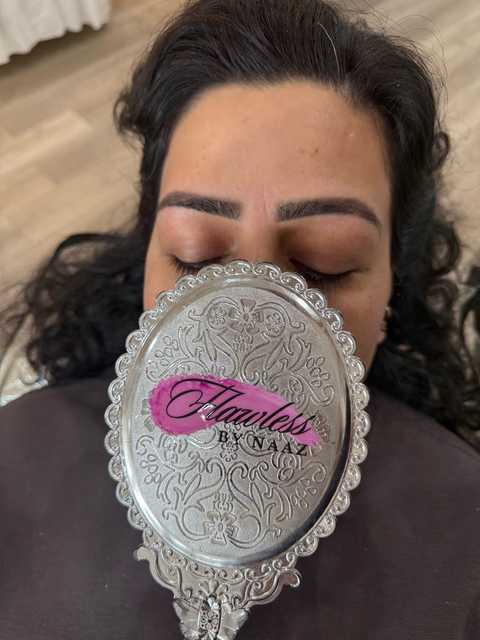
See examples of our Full Arms Waxing work and results.



What Our Clients Say
$$MultiPurposeText$$
Read testimonials from our satisfied customers

As always Naz provided exceptional services. Very clean environment and staff, loved my fa...more

This was my second time coming here, and I had another amazing experience! The artist is i...more

Nobody can do eyebrows like Naz! The absolute best. Not to mention her other great service...more

I love going to Flawless by Naaz. Breet does a wonderful job threading and tinting my eyeb...more

I had a great Hydro Facial and Eyebrow Wax done by Preet, I will definitely be coming back

Monowar is the best she always gets my eyebrows to look great

Frequently Asked Questions
Get answers to common questions about Full Arms Waxing.
Most clients enjoy smooth arms for three to six weeks; regrowth depends on hair cycle, hormones, and individual rate. Regular waxing can slow regrowth and make hair finer, so intervals often lengthen after several consistent appointments.
You may feel brief stinging when hair is removed, but our trained therapists use warm wax, proper technique, and calming pre- and post-care to reduce pain. Numbing creams can be applied on request for especially sensitive clients.
Arrive with arms free of lotions and moisturizers and hair at least a quarter inch long for effective removal. Avoid exfoliating 24-48 hours before, and skip tanning or blood-thinning medications unless cleared by your therapist.
Yes — we assess skin and allergy history during consultation. Patch tests are offered for sensitive clients and hypoallergenic waxes or alternative methods can be used. Always disclose medications, recent skincare treatments, or reactions to avoid complications.
Keep arms clean and avoid heavy creams or makeup for 24 hours. Use gentle, fragrance-free moisturizers and SPF; skip hot baths, saunas, and vigorous exercise for 24-48 hours to reduce irritation and prevent follicle inflammation or infection.
Generally a quarter inch (about four to five millimeters) of regrowth allows wax to adhere properly. If hair is too short, waxing may be less effective; if it's too long, we trim slightly before treatment for comfortable, efficient removal.